Entry · Ref TIR_A16G
What to Check When Buying a Generator for Standby or Temporary Power
- Posted
- 2026-11-16
- Last amended
- 2026-11-16
- Account
- @practicalsitegear
Know Your Load Before You Start Shopping
Choosing a generator for standby or temporary power is not simply a matter of picking the biggest unit you can afford. The right generator matches the electrical load it will carry, the conditions it will run in, and the duration it must last. A checklist helps you avoid the common mistakes that turn a power outage into a series of equipment problems. Start with the load itself: what exactly must the generator run?
Make a list of every device, motor, pump, light, computer, and piece of machinery that needs power. Note the running watts and the starting watts for each item with a motor. Motors draw several times their running current when they start, and that surge can overwhelm a generator that seems large enough on paper. A well-prepared buyer calculates the total running load and then adds the single largest starting surge to that total. That figure becomes the minimum rated output you should look for.
Fuel Type and Runtime
Generators run on diesel, natural gas, propane, or gasoline. Each fuel has trade-offs in availability, storage life, and cost. For a permanent standby installation, a diesel generator with a large fuel tank can run for days if refueled regularly. For a temporary job site where you move equipment often, a smaller gasoline or propane unit may be more practical. Check the fuel consumption at the load level you expect to run. A generator running at 75 percent load uses fuel at a different rate than one loafing at 25 percent, and that affects how often you must refuel. Consider the runtime on a full tank at that load. If the unit must run unattended overnight, the tank must hold enough fuel to last the whole period.
Fuel quality matters too. Diesel stored for months can grow algae or collect water, and stale gasoline can gum up a carburetor. For standby units that sit idle, plan for fuel management or use a fuel that stores longer. Propane does not degrade, but the tanks are heavy and supply may be limited during a widespread outage. Think about the logistics of fuel delivery to your site before you buy.
Transfer Switch and Connection Method
A generator that connects to a building's electrical panel needs a transfer switch. This device disconnects the building from the utility grid and connects it to the generator. Without a transfer switch, you risk back-feeding electricity onto the grid, which can kill a lineman working to restore power. A manual transfer switch costs less and works fine for occasional use. An automatic transfer switch starts the generator and switches the load when the grid fails, which is convenient for critical applications. For a temporary setup, you may use a generator with built-in receptacles and run extension cords directly to equipment. That works for small loads but becomes unmanageable for large or multiple devices. Plan how the generator will physically connect to the loads before you buy.
Voltage and Phase Configuration
Single-phase 120/240V power is standard for most homes and small commercial buildings. Three-phase power is common in industrial settings and for large motors, pumps, and compressors. A generator must match the voltage and phase of the equipment it will power. Running a three-phase motor from a single-phase generator requires a phase converter or a different motor. Check the nameplates on your largest loads. If you have both single-phase and three-phase loads, a generator that can supply both may be available, or you may need two separate units. This is one of the most overlooked points in a buying decision.
Load Bank Testing and Voltage Regulation
A generator that starts and idles fine may still fail when loaded. A load bank is a device that creates a controlled electrical load for testing the generator under realistic conditions. It reveals problems with voltage regulation, frequency stability, and cooling. If you are buying a used generator or commissioning a new one, ask for a load bank test report. For a new unit, check the voltage regulation specification. A good generator holds output voltage within a few percent from no load to full load. Poor regulation can damage sensitive electronics or cause motors to overheat.
Generators produce power at a fixed speed (usually 1800 or 3600 rpm for 60 Hz). The engine governor must hold that speed steady as loads switch on and off. Sudden large load changes can cause the engine to bog down or overspeed, which shifts frequency and voltage. If your equipment includes computers, variable frequency drives, or other sensitive electronics, look for a generator with a digital voltage regulator or an automatic voltage regulator (AVR). These features smooth out fluctuations without waiting for the governor to react.
Starting System and Cold Weather Performance
If a generator will not start when you need it, it is just expensive scrap. Battery-start units need a charged battery and a working starter motor. Manual-start units need someone strong enough to pull the cord. For standby applications, an electric-start generator with a battery charger and a remote start option is the standard. For very cold climates, look for a cold-weather kit that includes a battery heater, oil pan heater, and a crankcase heater. These keep the oil fluid and the battery warm enough to crank the engine. A generator that starts reliably at 20 degrees Fahrenheit may refuse to start at minus 10 without these aids.
Also consider the exhaust routing. A generator indoors or in a partially enclosed space can kill with carbon monoxide in minutes. Always locate the generator outdoors, downwind of building air intakes, and never in a garage, basement, or crawl space. Temporary job sites sometimes use generators in a fenced area; make sure the exhaust points away from workers and entry doors.
Maintenance Access and Parts Availability
A generator is a machine that must be maintained. Oil changes, air filter cleaning, fuel filter replacement, and coolant checks are routine. A generator that is buried under a cowling that requires removing twenty fasteners to reach the dipstick will be neglected. Look for a unit with easy access to the oil fill, drain, filter, and battery. Check that common service parts are available from local dealers or can be shipped quickly. For a critical application, a generator that requires a special tool to change the oil is a liability.
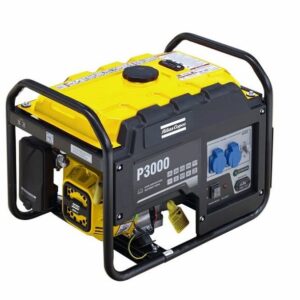
Noise is another practical concern. A generator running near a residential area or a hotel may need a sound-attenuated enclosure. Some models come with built-in soundproofing; others accept an aftermarket enclosure. Check the decibel rating at the distance the generator will sit from the nearest occupied space. Every 10 dB increase sounds twice as loud to the human ear, and local ordinances often set limits for nighttime noise.
Sizing for Critical Loads
For applications where a power failure cannot be tolerated, such as a hospital operating room, a data center, or a freezer warehouse, the generator must be sized not just for the total load but for the critical loads that must stay online during a startup sequence. In these cases, the buyer works with an electrical engineer to determine which circuits are essential and how the generator will sequence them on. A generator that can handle the full building load may still fail if it tries to pick up all loads at once. That is why contractors and facility managers look for generators sized for critical loads when they design a standby system. The generator must accept the largest motor starting surge while keeping voltage and frequency within limits for the sensitive equipment already running.
For temporary power at a construction site, the same principle applies. A welder and a large compressor starting together can overload a generator that seemed adequate for the running load. The solution is either a larger generator or a staggered startup where the welder starts after the compressor is already running. A load bank test with the actual equipment is the most reliable way to verify the setup before the generator is needed in earnest.
Portability and Setup Time
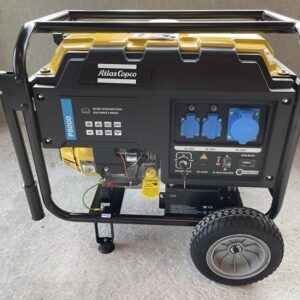
A temporary generator must be moved and set up quickly. Check the frame: does it have a lifting eye, a skid base, or a trailer mount? For a unit that will sit in one spot for months, a skid or a concrete pad is fine. For a unit that moves weekly, a trailer-mounted generator with a built-in fuel tank and a folding tongue is far more practical. Also consider the cable and connection setup. A generator with a cam-lock distribution panel lets you run large cables to a distribution box, then branch out to smaller loads. That is faster and safer than running a dozen extension cords from the generator's receptacles.
Finally, think about the transfer switch and the interconnection method. For a permanent standby generator, a transfer switch is mandatory and should be sized to handle the generator's full output plus any future load growth. For a temporary generator, you may use a manual transfer switch or a generator connection box that accepts a plug from the generator. A licensed electrician should make the final connections to the building panel. Never attempt to back-feed the panel through a dryer outlet or a light socket. That is dangerous and illegal in most jurisdictions.
Choosing Between New and Used
A new generator comes with a warranty and the latest emissions compliance, but it costs more. A used generator can save money if it has been well maintained and load tested. Check the hour meter: a generator with 5000 hours on a diesel engine may still have many years of life left if it was serviced regularly. Look for service records, oil analysis reports, and load bank test results. A generator that has sat idle for years may have corrosion in the windings, dry-rotted seals, and a fuel system full of varnish. A good used generator is a bargain; a neglected one is a money pit.
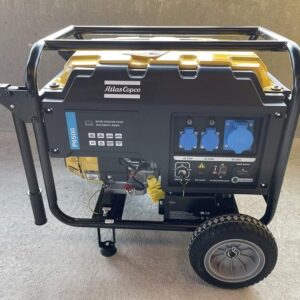
Whether new or used, the buyer must verify that the generator meets local emissions regulations. Some regions restrict the sale of generators that do not meet EPA or CARB standards. A generator that cannot be legally operated in your area is not a deal at any price.
In the end, buying a generator for standby or temporary power comes down to matching the machine to the job. A checklist that covers load calculation, fuel and runtime, transfer switching, voltage and phase, load bank testing, cold weather starting, maintenance access, noise, portability, and the specific demands of generators sized for critical loads will guide you to a unit that starts when needed and runs reliably. Skip one of those checks, and the generator may turn out to be the wrong tool for the job.